Desentupidora em Fazenda Rio Grande PR: What to Check Before You Book
Booking a desentupidora em Fazenda Rio Grande PR is not just a matter of finding the first phone number that answers. Since 2026, more local crews advertise 24-hour emergency service, and the gap between a properly equipped team and an unprepared one has become easier to spot if you know what to ask. The short answer: confirm licensing, equipment, response time and a written price range before anyone touches your pipes. The rest of this review explains how I tested those points and what actually separated a good call-out from a costly mistake.
Fazenda Rio Grande sits in the metropolitan region of Curitiba, with a mix of older residential streets, newer condominiums and commercial blocks along the main avenues. That mix matters, because a blocked kitchen sink in an apartment and a backed-up sewer line in a house require different tools. A company that only carries a manual plunger will struggle with either.
How I Compared Desentupidora Options in Fazenda Rio Grande
I approached the comparison the way a homeowner or building manager would: I called several providers, asked the same questions, and noted how clearly each one answered. I did not rely on the loudest advertisement. Instead, I focused on what could be verified before the job started, because that is where most complaints begin.
Licensing, identification and arrival
The first checkpoint is simple. A legitimate crew arrives in a marked vehicle, with uniformed technicians who can identify themselves and explain the procedure. When I called a desentupidora Fazenda Rio Grande, I asked whether the team carried proper safety gear and whether the company issued a service order before starting. The answers were more revealing than any website claim.
Ask for the company’s CNPJ and a service order with the address, the described problem and the agreed price. If a technician refuses to put anything in writing, treat that as a warning sign. A written service order protects both sides and makes later disputes much easier to resolve.
Equipment that matches the blockage
Not every blockage is the same. Grease in a kitchen line, roots in a garden drain and solid waste in a sewer main each need a different approach. During my test calls, I asked what equipment would be used for a typical backed-up floor drain. The stronger answers mentioned a rotating cable machine for smaller lines and a high-pressure water jetter for heavier obstructions.
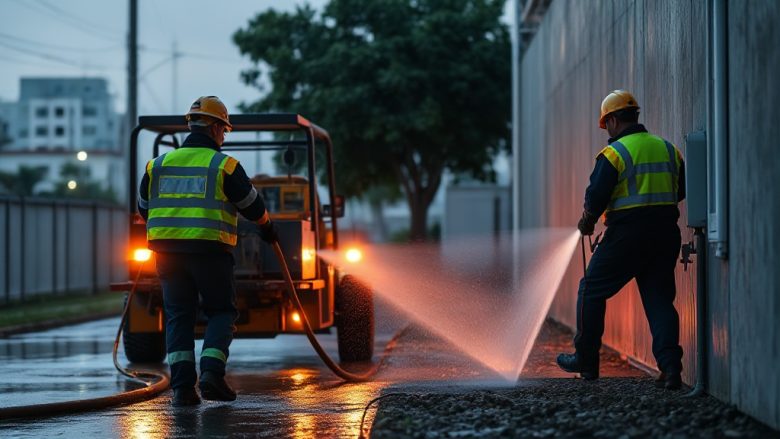
Hydro-jetting uses pressurized water to scour the inside of the pipe, which is useful when grease or sediment has built up over time. A rotating cable is better for breaking through a localized clog. A company that offers only one method will either force that method onto your problem or refer you elsewhere.
Response time and availability
Emergency plumbing rarely happens at a convenient hour. I asked each provider how quickly they could reach a residential address in Fazenda Rio Grande at night and on a weekend. The useful answers included an estimated arrival window and a clear statement about after-hours fees. Vague promises like “we come right away” are not enough when water is rising.
Confirm whether the 24-hour number reaches a real dispatcher or only a messaging service. A dispatcher who can quote a call-out fee and give an ETA is a sign of an organized operation.
Price transparency before the work begins
Cost was the point where providers differed most. Some gave a fixed inspection fee and a separate range for the unblocking, while others quoted a single number without explaining what it covered. I preferred the ones that separated the inspection from the clearing service, because you should know what you are paying for even if the job turns out to be simple.
Ask directly whether the quote includes removal of debris, cleanup and a follow-up check. A low initial price can grow once extra labor or equipment is added. Get the total estimate in writing before authorizing the work.
Preparation Checklist Before the Crew Arrives
Once you have chosen a provider, the next step is preparing the property. Good preparation shortens the visit and reduces the chance of damage. I tested this by walking through a typical apartment and a house with a yard drain, and the same basic steps applied to both.
Clear access to the affected area
Move furniture, rugs and stored items away from the drain or cleanout. If the blockage is under a sink, empty the cabinet below it. Technicians need room to position equipment, and a cluttered space slows the job and increases the risk of accidental damage.
If the cleanout is outside, make sure the gate opens fully and that a vehicle can park reasonably close. In condominiums, inform the building manager so the crew is not delayed at the entrance. desentupidora Fazenda Rio Grande PR
Document the problem before it is disturbed
Take photos or a short video of the backed-up water, the drain and any visible damage. This record is useful if you later need to discuss the cause with a landlord, insurer or condominium administration. It also helps the technician understand the history of the problem.
Note when the problem started and whether it followed heavy rain, a specific use of the sink or a recent repair. That context can point to the likely cause before any tool is used.
Protect what you can and prepare for water
Place old towels or buckets near the affected drain and move electronics or paper items away from the floor. If water has already spread, turn off the nearest water supply valve if you can reach it safely. Do not attempt to open a sewer cleanout yourself unless you know how, because pressurized waste can escape quickly.
Keep pets and children away from the work area. A crew using a rotating cable or jetter needs a clear perimeter, and curious animals can be injured or interfere with the equipment.
Questions to ask when the technician arrives
- What is the likely cause of the blockage, and how will you confirm it?
- Which equipment will you use, and why is it suitable here?
- What is the final price, and does it include cleanup?
- Will you test the flow after the work and show me the result?
- What should I do if the problem returns within a few days?
A professional team will answer these without irritation. If the answers are evasive, you are still free to stop before work begins.
What a proper job looks like from start to finish
- Inspection of the drain and surrounding pipes.
- Explanation of the cause and the proposed method.
- Confirmation of the price and authorization to proceed.
- Unblocking with the appropriate tool.
- Flow test and visual check of the result.
- Cleanup of the work area and disposal of removed material.
- Written summary and payment receipt.
If any of these steps are skipped, ask why. A missing flow test, for example, means nobody confirmed the blockage is actually gone.
Comparing service types at a glance
| Service | Typical use | What to confirm |
|---|---|---|
| Manual or cable unblocking | Sinks, toilets, short branch lines | That the cable reaches the full length of the line |
| Hydro-jetting | Grease, sediment, roots in larger pipes | Water pressure and containment of wastewater |
| Septic tank cleaning | Properties not connected to the main sewer | Proper disposal of collected waste |
| Emergency call-out | Night, weekend or sudden backup | After-hours fee and realistic arrival window |
This table is a guide, not a menu. The right method depends on the pipe diameter, the material and the cause, which is why an inspection should come first.
Common mistakes that turn a small clog into a large bill
The most frequent error is pouring chemical drain cleaners into a blocked line and waiting. These products can damage older pipes and rarely clear a serious obstruction. Another common mistake is hiring on price alone without asking about equipment or disposal. A cheap call-out that leaves waste in your yard or returns the next day is not cheap.
Property owners also forget to check whether the blockage is inside their responsibility or in the condominium’s shared line. Knowing where the boundary lies prevents arguments about who pays. If you manage a building, keep a record of past blockages and share it with the crew; recurring problems often point to a structural issue rather than a one-off clog.
Finally, do not sign off on the job before the technician tests the flow. A drain that looks clear can still be partly blocked, and a quick confirmation now avoids a second visit later.
Frequently Asked Questions
How much does a desentupidora cost in Fazenda Rio Grande?
Prices vary with the type of blockage, the equipment needed and the time of day. A simple sink unblocking usually costs less than a sewer line cleared with hydro-jetting. Always ask for a written estimate that separates inspection, unblocking and cleanup before authorizing the service.
Can I book a desentupidora Fazenda Rio Grande PR at night or on a weekend?
Many local providers advertise 24-hour emergency service, but availability should be confirmed by phone. Ask whether the number reaches a live dispatcher, what the after-hours fee is and how long arrival is likely to take. A clear answer is more useful than a general promise.
What should I do before the team arrives?
Clear access to the drain, move valuables away from the floor, take photos of the problem and keep children and pets away from the work area. If water is spreading, turn off the nearest supply valve if it is safe to do so. Do not open sewer cleanouts yourself.
Is hydro-jetting safe for older pipes?
It can be, but the pressure must be adjusted to the pipe’s condition and material. That is why an inspection should come first. A technician who proposes hydro-jetting without checking the pipe is skipping a step that protects your property.
What if the blockage returns after the service?
Ask about the company’s policy before the work begins. A short warranty or a free follow-up check is a reasonable request. If the problem recurs quickly, it may indicate a deeper issue such as root intrusion or a collapsed section that needs camera inspection.